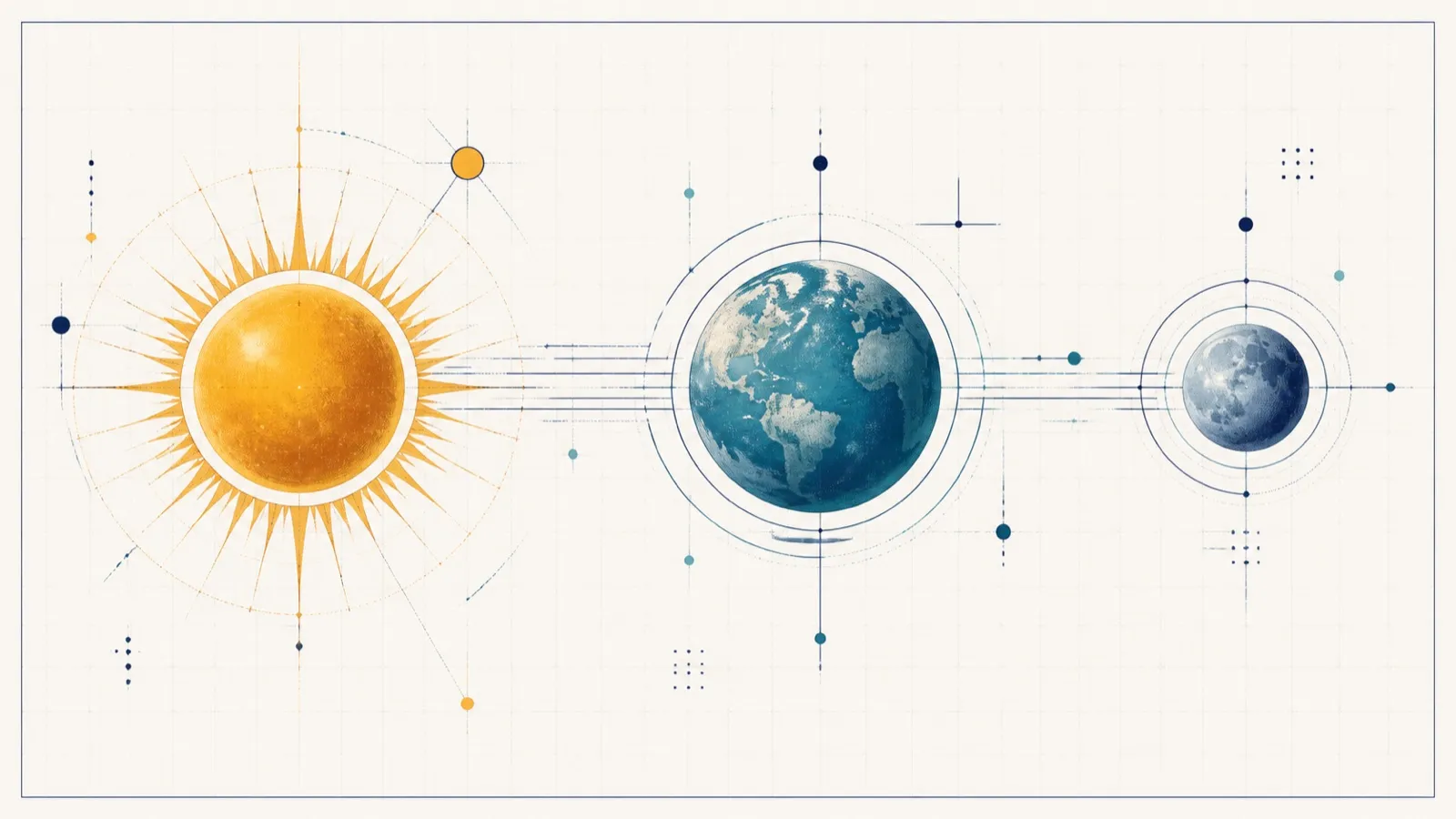
OpenAI has changed the way it presents its models. Instead of adding another technical suffix that is hard to remember, GPT‑5.6 arrives with three easy-to-place tiers: Sol, Terra, and Luna. They belong to the same generation, but they are not designed for the same kind of work.
The update has been available in ChatGPT, Codex, and the OpenAI API since July 9, 2026. The useful question is not “which one is best?” It is how much capability the task needs and how much time or consumption you are willing to spend solving it.
Sol: when the cost of an error is high
Sol is the flagship model. It makes sense for long, ambiguous, interconnected tasks: reviewing an architecture, programming a complete feature, comparing business scenarios, or coordinating tools across several stages.
I would choose it when I need ChatGPT to hold context, challenge assumptions, and reach a deliverable I can review. In my work, that can mean designing an ecommerce flow or investigating why an automation fails between Shopify, analytics, and a CRM.
I would not use it to answer a simple email. That would be like opening an entire workshop to tighten one screw.
Terra: the model for most days
Terra sits in the middle. OpenAI presents it as the balance between capability and cost. It is the model I would use to prepare a brief, organize notes, analyze a table, draft a landing page, or turn an idea into a work plan.
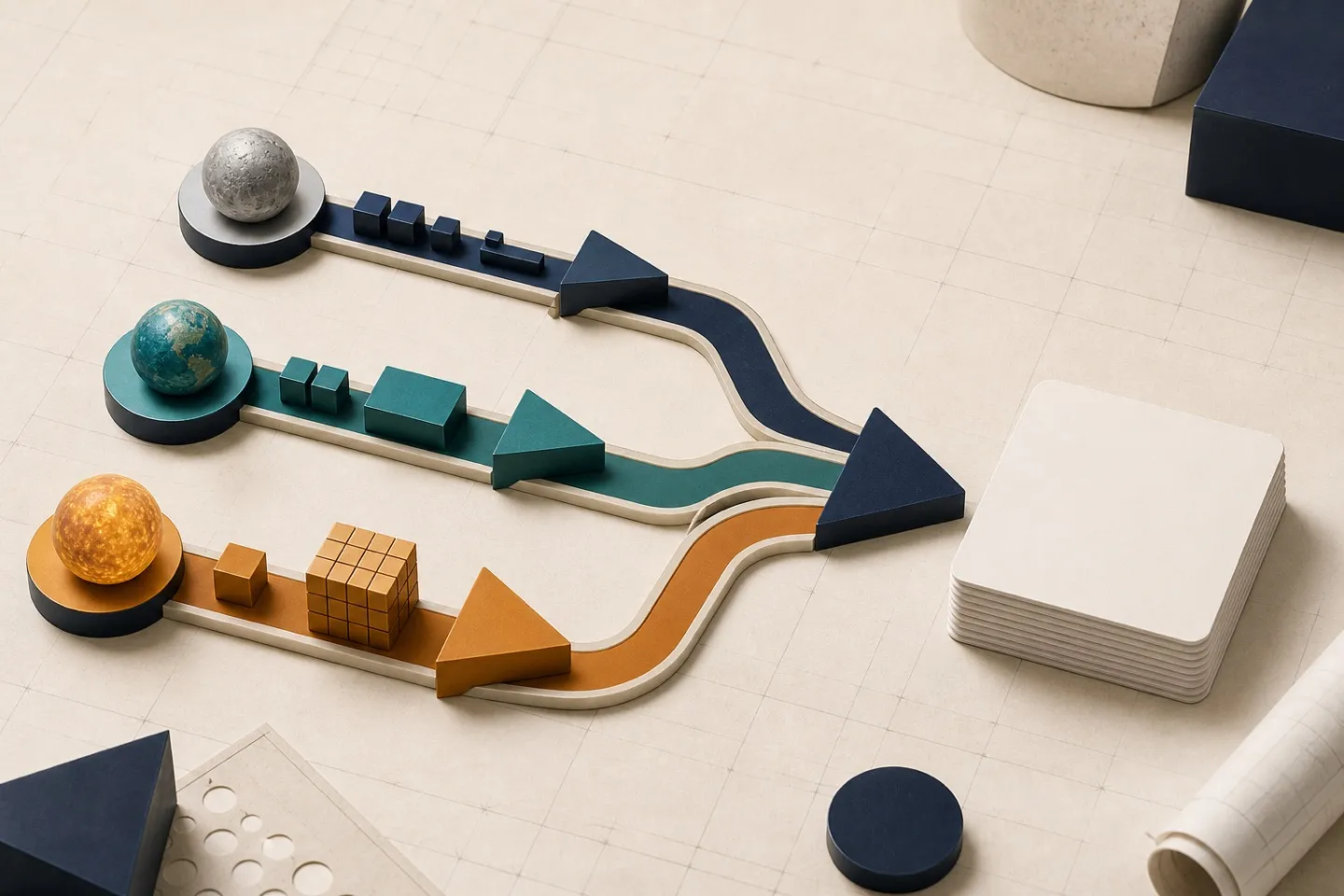
Its value is that it does not force you to choose between speed and judgment in every conversation. For most everyday professional work, Terra should be the starting point. If the result is shallow, move up to Sol. If the task is repetitive and clear, move down to Luna.
Luna: speed for well-defined work
Luna is the fastest and most affordable model in the family. It works best when the instruction has clear boundaries and the output is easy to check: classifying records, summarizing short text, extracting fields, generating variations, or handling high volume.
The key is not asking it to guess what you did not explain. Luna performs much better when it receives a structure, an example, and an output format. In automations, that discipline also reduces errors and makes cost more predictable.
A simple rule for choosing
My rule would be:
- Luna for repeatable, fast, easy-to-validate tasks.
- Terra for everyday analysis and production with a strong balance.
- Sol for complex decisions, demanding code, or multi-stage workflows.
Changing models does not repair a vague request. Before moving up a tier, clarify the objective, share the essential context, and describe what a useful answer looks like. A good brief still matters more than the model’s name.
What is actually new in GPT-5.6
Beyond the names, the update turns model selection into a decision people can understand. Sol, Terra, and Luna are capability tiers that can evolve on their own cadence. That makes it easier to treat AI as infrastructure: assign more power where risk and complexity justify it, then use an efficient option everywhere else.
For product, development, or ecommerce teams, that distinction helps control cost without turning every automation into a compromised version. The right model is not always the biggest. It is the one that produces enough quality with a reasonable review process.
I would start with Terra, measure the result, and only then move the task. Luna once the process is well defined. Sol while it still requires judgment, exploration, or deep coordination.
If you want to see how I apply these decisions to real projects, you can explore my experience in ecommerce, development, and applied AI.
Useful, or do you disagree?
Comments
What do you think?
There are no approved comments yet.